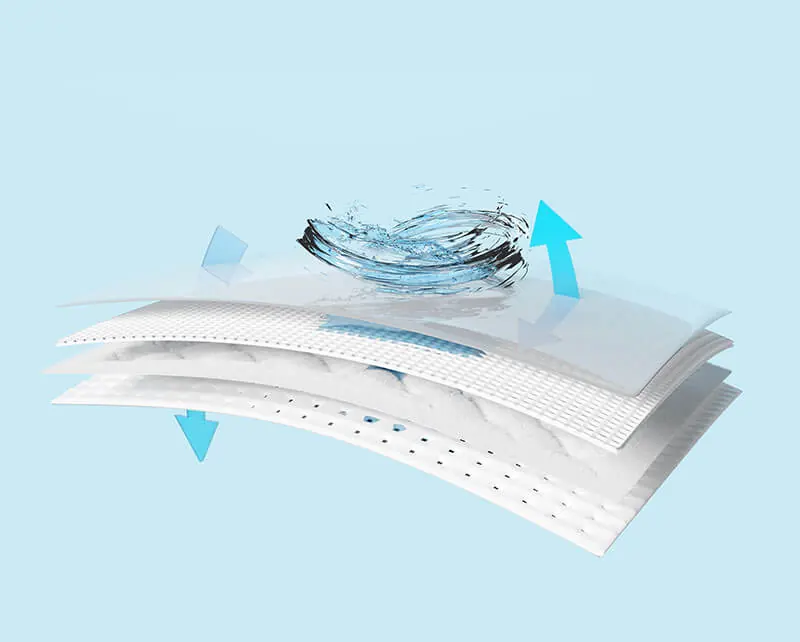
Specify Water Resistance and Breathability Separately
Water-resistance requirements should identify the relevant hydrostatic-pressure method and acceptance target. Moisture-vapor transmission requirements should identify the test procedure, reporting units, conditioning, and test conditions. The current page references JIS L 1099, ASTM E96, and BS 7209; buyers should confirm the applicable method and version for the actual material. A testing organization name is not itself a test standard or a guarantee of performance.
Compare the Proposed Construction
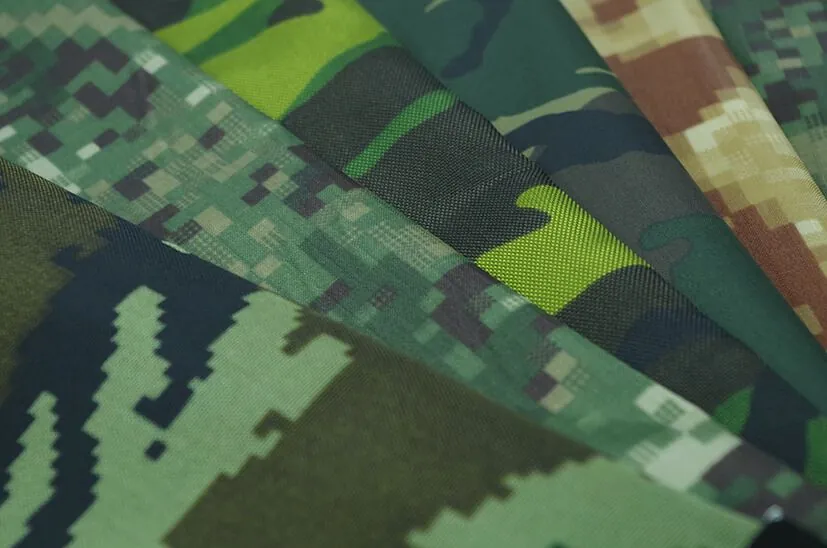
The product page lists microporous and hydrophilic coated and laminated fabrics, membrane fabrics, PTFE laminated fabrics, and two-layer, two-and-a-half-layer, and three-layer constructions. These descriptions are starting points for a technical discussion. Availability and suitability should be confirmed for the requested specification. Do not assume that all listed constructions share the same water resistance, breathability, hand feel, or downstream-processing characteristics.
Evaluate the Complete Product
A fabric test does not establish the performance of a completed jacket, cover, or other item. Seams, closures, seam-sealing compatibility, pattern design, and surface treatments can affect the final result. Identify whether testing is needed before and after washing, aging, or other conditioning. If comparisons are required, use equivalent test procedures and conditions; results from different methods should not be treated as directly interchangeable.
Discuss Your Application with TDF
Provide the intended use, base-fabric preference, weight, width, color, construction, required tests, and estimated order quantity. Include a reference material or current performance problem where possible. Ask TDF to confirm the proposed specification, sampling process, available evidence, and commercial conditions. Any numerical improvement claim should be supported by a defined comparison and a relevant report before it is used in product documentation or customer-facing materials.