
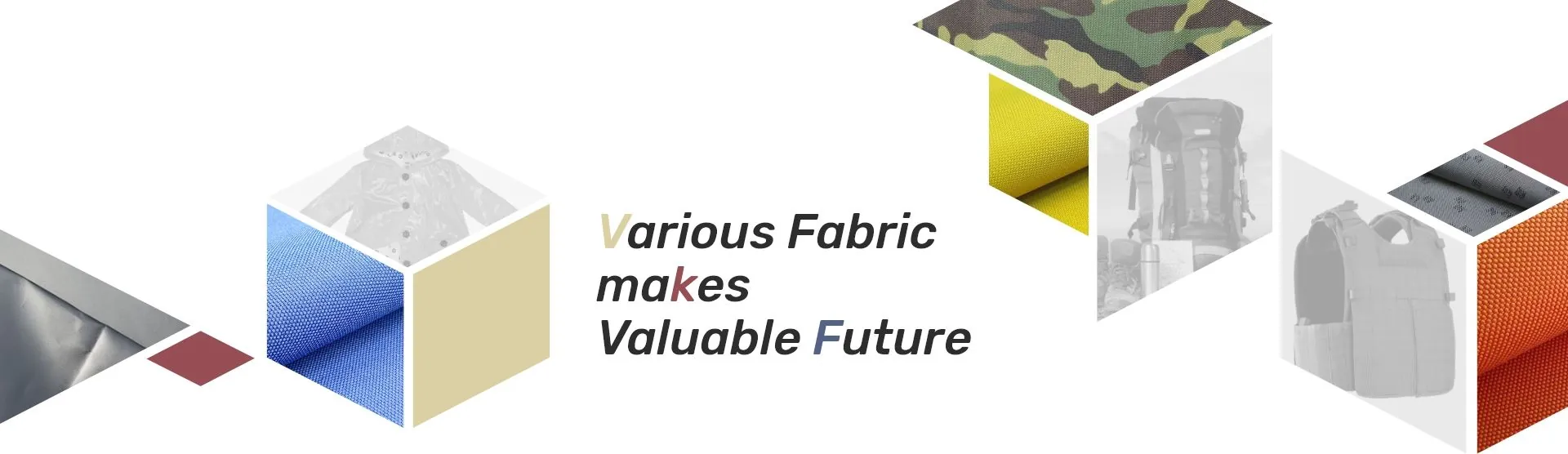
Taiwan Dyeing & Fabric is a polyester and nylon industrial fabric manufacturer based in Taoyuan, Taiwan. With its own factory integrating dyeing and finishing, coating, and lamination processes, the company supplies industrial fabrics for military equipment, outdoor products, leisure applications, and medical textiles.
Industrial fabrics differ fundamentally from ordinary consumer fabrics in terms of design logic. Understanding this distinction is the first step for buyers when selecting suitable materials.
Key Takeaways
- Unlike ordinary consumer fabrics, industrial fabrics are designed primarily around strength, weather resistance, and end-use conditions.
- Major product categories include industrial fabrics, coated fabrics, laminated fabrics, reflective fabrics, solution-dyed fabrics, downproof fabrics, and printed fabrics.
- Coated and laminated fabrics use different manufacturing principles and should be selected according to the required functions of the finished product.
- High-strength industrial fabrics and downproof fabrics should be evaluated based on load requirements, denier, weave density, and finishing treatments.
What Is the Difference Between Industrial Fabrics and Consumer Fabrics?
Ordinary consumer fabrics are generally designed around hand feel, drape, and appearance. Their durability requirements are usually based on normal wear and tear from everyday use.
Industrial fabrics, by contrast, are developed by working backward from the actual operating conditions of the finished equipment, including load-bearing requirements, climate exposure, contact with chemicals, and abrasion levels. Fiber type, weave structure, and finishing treatments are then selected accordingly.
The primary design question is whether the fabric can withstand its intended application.
The differences are especially clear in the following areas:
Strength Requirements
Industrial fabrics often need to withstand heavy loads, repeated pulling, or intensive abrasion. Their fiber denier and weave density are therefore generally higher than those of consumer fabrics.
Weather Resistance
Outdoor and military applications may involve prolonged exposure to sunlight, rain, low temperatures, and other harsh conditions, requiring a higher level of weather resistance.
Functional Finishing
Waterproof, flame-retardant, antistatic, and other functional treatments are more common in industrial fabrics, while consumer fabrics are often designed primarily for appearance and comfort.
Testing and Verification Standards
Industrial fabrics are frequently required to meet specific technical specifications and testing standards. Consumer fabrics, by comparison, are more commonly evaluated based on appearance and hand feel.
This is why the customization process for industrial fabrics generally begins with the intended application rather than with the selection of an existing fabric style.
What Are the Main Types and Applications of Industrial Fabrics?
Industrial fabrics can be divided into several major categories according to their manufacturing processes and functional designs. Each category corresponds to different application requirements.
Understanding how these categories are classified helps buyers identify the most suitable fabric type more efficiently, rather than repeatedly comparing individual products without a clear starting point.
Taiwan Dyeing & Fabric currently supplies the following seven major product categories:
Industrial Fabrics
Basic industrial-purpose fabrics designed primarily for strength and durability.
Coated Fabrics
Fabrics with a functional coating applied to the surface to improve properties such as water resistance and stain resistance.
Laminated Fabrics
Composite fabrics produced by bonding multiple layers of fabric or film to provide enhanced combined functions.
Reflective Fabrics
Fabrics with reflective properties for applications requiring improved safety and visibility.
Solution-Dyed Fabrics
Fabrics produced using a dyeing method that generally provides more stable colorfastness and weather resistance than conventional piece-dyed fabrics.
Downproof Fabrics
Densely woven fabrics designed to prevent down or other filling materials from penetrating through the fabric surface.
Printed Fabrics
Fabrics with custom printed patterns, including camouflage designs.
Industrial fabric is therefore not a single product but an entire family of materials.
Taiwan Dyeing & Fabric’s products are used in military equipment, outdoor products, leisure applications, and medical textiles. Buyers can begin by selecting the most suitable category according to the requirements of the finished product.
What Is the Difference Between Coated and Laminated Fabrics?
Coating and lamination are both processing methods used to improve fabric performance, but they rely on different manufacturing principles and are suited to different applications.
A coated fabric is produced by applying a functional material, such as PU or PVC, directly to the fabric surface.
A laminated fabric is produced by bonding the fabric to another material, such as a functional membrane, to create a multilayer composite structure.
A finished fabric can often be initially identified as coated or laminated by examining the following characteristics:
Surface Appearance
Coated fabrics usually have a uniform coated sheen or surface texture. Laminated fabrics may show a visible boundary between the bonded layers.
Cross-Sectional Structure
When viewed from a cut edge, the multilayer structure of laminated fabric is usually easier to identify. Coated fabric generally consists of a single fabric substrate with a surface coating.
Waterproof Performance
Both methods may provide similar initial waterproof performance. However, long-term resistance to flexing and abrasion may differ because of their structural differences.
| Item | Coated Fabric | Laminated Fabric |
|---|---|---|
| Manufacturing principle | Functional material is applied directly to the fabric surface | Fabric and membrane are bonded together |
| Structural characteristics | Single fabric substrate with a surface coating | Multilayer composite structure |
| Common functions | Water resistance, stain resistance, and abrasion resistance | Combined waterproof and breathable performance, structural reinforcement |
| Typical applications | General protective equipment and outer packaging layers | High-performance equipment and precision applications requiring multiple functions |
The choice between coating and lamination therefore depends on whether the finished product requires a single surface function or a combination of properties provided by a multilayer structure.
Where Are High-Strength Nylon and Ballistic-Nylon-Type Fabrics Used?
High-strength industrial fabrics are generally used in equipment that must withstand heavy loads, repeated abrasion, or the risk of filling materials escaping through the fabric.
The design of these fabrics focuses on fiber denier and weave density, combined with specialized finishing treatments to achieve specific protective functions.
Common applications include military equipment, heavy-duty outdoor gear, and the outer layers of down-filled products.
Buyers can evaluate suitable specifications through the following steps:
Confirm Load Requirements
Determine the tensile force, abrasion, weight, and other physical stresses the equipment will need to withstand.
Select the Denier and Weave Structure
Choose an appropriate fiber specification and weave density according to the required strength and durability.
Add Suitable Finishing Treatments
Apply treatments such as downproof, antistatic, or flame-retardant finishing according to the final application.
For downproof fabrics, fiber strength alone is not sufficient. The weave density must also be tight enough to prevent filling materials from passing through the fabric surface.
Taiwan Dyeing & Fabric offers a full range of fiber specifications, including polyester from 30D to 3,600D and nylon from 20D to 2,520D. The company also provides downproof cire finishing and dedicated downproof fabric products for military equipment, outdoor products, and medical textiles requiring higher levels of strength and fabric density.
Frequently Asked Questions
What is downproof fabric, and how does it prevent down from escaping?
Downproof fabric is produced using a tightly woven structure combined with a cire finishing process. This reduces the gaps between fibers and helps prevent down or other filling materials from penetrating the fabric surface.
It is commonly used in down jackets, bedding, and other filled products.
Can coating and lamination be used on the same fabric?
Yes. Depending on the requirements of the finished product, a fabric may be coated first and then laminated, or only one of the two processes may be used.
The actual combination must be evaluated according to the fabric specification and functional requirements to determine whether multiple processes are suitable.
How can industrial fabrics provide both durability and functionality?
The key is to combine the appropriate fiber specification, weave structure, and finishing treatment rather than improving only one characteristic.
For example, a high-denier fiber combined with a suitable coating or lamination process can provide both structural strength and functional performance.
What types of industrial fabrics are commonly used in military and outdoor equipment?
Military and outdoor equipment commonly uses high-denier coated fabrics, laminated fabrics, and downproof fabrics.
These materials may also be combined with antistatic, flame-retardant, or downproof finishing treatments to meet the demands of heavy loads and harsh operating environments.