
Taiwan Dyeing & Fabric is a polyester and nylon industrial fabric manufacturer based in Taoyuan, Taiwan. With more than 30 years of manufacturing experience at its own factory, the company has long supplied customers across 11 international markets, including the United States and the United Kingdom.
For global industrial fabric buyers, choosing a supplier capable of supporting a long-term partnership is far more important than comparing prices for a single order. Changing factories means repeating quality validation, rebuilding delivery coordination, and adapting to a new production process. A single mistake may disrupt downstream production schedules.
Key Takeaways
- The core value of a long-term supplier lies in consistency and stability rather than the price of a single order.
- A manufacturer with its own factory can generally exercise greater control over customized specifications and delivery commitments than a trading company relying on outsourced production.
- Manufacturing experience and the number of export markets are two verifiable indicators of supplier stability.
- Whether the quality assurance system is documented and traceable directly affects the level of risk in a long-term partnership.
What Should Buyers Look for When Choosing a Long-Term Fabric Supplier?
When evaluating a long-term supplier, industrial fabric buyers usually move beyond the basic question of whether the required specifications can be produced.
Instead, they assess whether the supplier can maintain consistent quality and delivery performance over several years or even decades. This level of stability cannot be determined from the quality of a single sample or production batch. It requires an evaluation of multiple verifiable factors.
The following four criteria are practical indicators when assessing a long-term supplier:
Stability of In-House Production Capacity
Whether the supplier owns and operates its factory and production lines, rather than relying on outsourced manufacturing, directly affects production priority, scheduling control, and quality consistency.
International Export Experience
The number and range of markets to which the supplier has actually shipped products indicate whether it has undergone long-term validation under different regulations and customer requirements.
Comprehensive Quality Assurance and QC Systems
A dedicated quality control team conducting routine inspections is more reliable than quality checks arranged only for individual orders. A permanent QC system plays an important role in maintaining stable production yield over time.
Product Range and Customization Flexibility
A supplier’s ability to support different specifications, coatings, and finishing treatments determines whether it can continue meeting the buyer’s needs as product lines expand.
This is why experienced buyers often evaluate the supplier’s overall operational foundation before asking whether a particular order can be produced.
How Does an In-House Factory Affect Customization Flexibility and Lead Times?
A manufacturer with its own factory and a trading company using outsourced production may both be able to deliver fabric. However, the two business models differ significantly in terms of customization flexibility and control over delivery schedules.
Under an outsourced trading model, the order must first be transferred to the actual manufacturer. Any specification adjustment requires an additional layer of communication and confirmation. Delivery commitments may also fluctuate depending on the subcontractor’s capacity and production priorities.
With an in-house factory model, the same organization manages the order from initial communication through production and shipment. Specification changes can therefore be reflected directly in production planning.
A typical customized order usually moves through the following stages:
Requirement Communication
The buyer provides requirements such as denier, weave structure, coating type, and finishing treatment.
Specification Confirmation and Scheduling
The factory confirms the specifications and assigns the order to a production schedule based on current capacity and minimum order quantity requirements.
Production and Quality Inspection
The fabric is manufactured according to the confirmed specifications and undergoes multiple quality inspections.
Shipment and Delivery Updates
The order is shipped according to the agreed schedule, with international logistics information provided to the buyer.
This is why a factory’s ability to directly manage each stage has a significant impact on the reliability of its delivery commitments.
How Do Manufacturing Experience and Export Performance Reflect Supplier Stability?
A supplier’s years in operation and number of export markets are not the final purpose of a sourcing decision. Instead, they provide indirect evidence of capabilities that may otherwise be difficult to verify.
These capabilities include mature production capacity management, a quality assurance system tested by different markets, and sufficient experience to respond to order fluctuations and operational risks.
A factory that has been operating for only a few years and serves a single market may have a different level of risk resilience from a manufacturer that has operated for decades and supplies customers in multiple countries.
Buyers can conduct an initial assessment of supplier stability through the following methods:
Review the Export Markets Listed on the Company Website
Confirm whether the supplier discloses the countries it actually serves instead of relying on broad claims such as “exporting worldwide.”
Request Evidence of Shipment Experience or Partnership Duration
Specific figures relating to years of operation and export markets provide more meaningful evidence than general statements about experience.
Check Whether the Quality System Is Documented
Determine whether the supplier has a dedicated QC team and formal procedures rather than relying only on verbal promises of quality assurance.
The following table compares three common supplier types in terms of stability-related indicators:
| Supplier Type | Production Stability | Quality Assurance System | Export Market Validation |
|---|---|---|---|
| Long-established manufacturer with its own factory | Production scheduling is managed internally and is less affected by external subcontractor priorities | Usually supported by a dedicated QC team and documented procedures | Export markets and experience can be verified through long-term records |
| Trading company relying on outsourced manufacturing | Dependent on the subcontractor’s capacity and production priorities | Relies on the subcontractor’s quality system, which may be less transparent to the buyer | Market relationships may belong primarily to the actual manufacturer and can be more difficult to verify independently |
| Newly established contract manufacturer | Capacity and production systems may still be developing, resulting in greater fluctuations | Quality procedures may still be under development | Export market coverage and long-term records have not yet been established |
This is why basic information such as how long a supplier has operated and which markets it serves can be one of the most useful starting points when evaluating long-term partnership reliability.
What Is Taiwan Dyeing & Fabric’s Position and Verifiable Strengths in Industrial Fabric Supply?
Industrial fabrics are used across a wide range of applications, from military equipment to medical textiles. Each industry has different requirements for specification consistency and supplier reliability.
Before entering a long-term partnership, buyers often look for a supplier whose product range and application experience can support both current requirements and future product expansion. This helps reduce the need to qualify a new supplier whenever a new product line is introduced.
Taiwan Dyeing & Fabric’s strengths and track record include the following:
Broad Product Portfolio
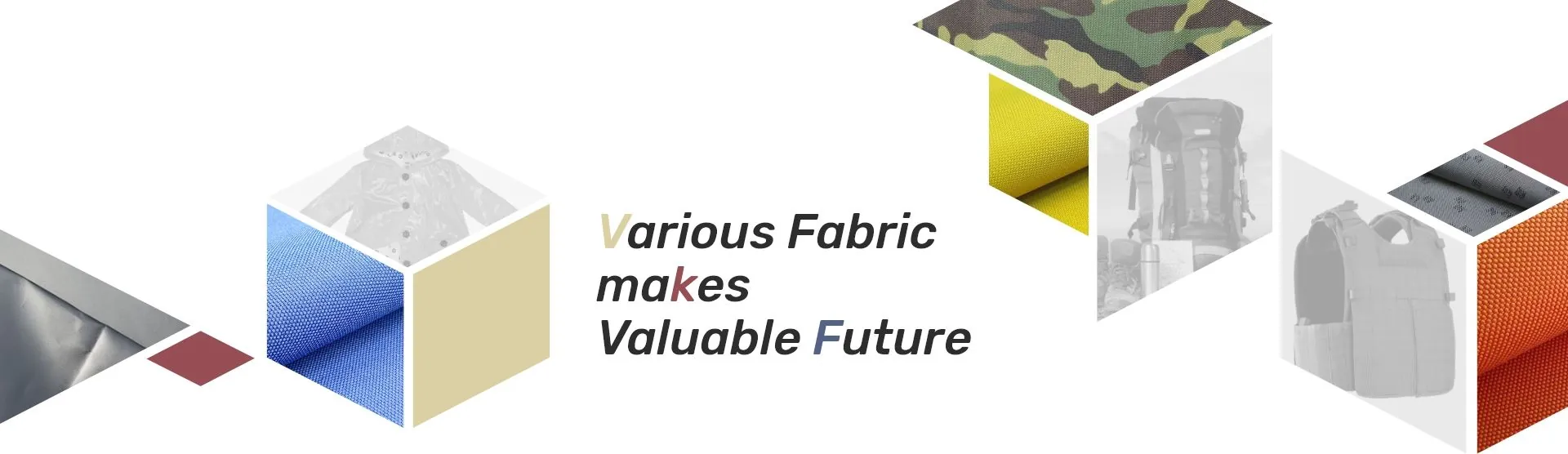
The company supplies seven major product categories: industrial fabrics, coated fabrics, laminated fabrics, reflective fabrics, solution-dyed fabrics, downproof fabrics, and printed fabrics. This portfolio supports long-term sourcing requirements across multiple product lines.
Cross-Industry Application Experience
Its fabrics are used in military equipment, outdoor products, leisure applications, and medical textiles, providing manufacturing experience across different industries.
Full Range of Denier Specifications
Taiwan Dyeing & Fabric provides polyester fabrics from 30D to 3,600D and nylon fabrics from 20D to 2,520D. The minimum order quantity is 1,000 meters, allowing the company to support a range of customized order requirements.
Quality Assurance and International Market Validation
A dedicated QC team, combined with export experience across 11 countries, means that production stability is supported not only by internal claims but also by long-term market experience.
This is why buyers evaluating long-term suppliers consider more than the price of a single product. They also examine product breadth, production capabilities, and international market records.
Taiwan Dyeing & Fabric operates an 11,000 m² factory in Taoyuan, Taiwan, integrating dyeing and finishing, coating, and lamination processes. With more than 30 years of in-house manufacturing experience, exports to 11 international markets, and dedicated quality control and international sales teams, the company is a long-term industrial fabric supplier worth considering.
Frequently Asked Questions
What should buyers prioritize when choosing a long-term fabric partner?
The first priorities should be whether the supplier operates its own factory, has verifiable export experience, and maintains a dedicated quality assurance system.
These factors provide a clearer indication of long-term stability than the price of a single order.
What is the difference between an in-house manufacturer and a trading company relying on outsourced production?
An in-house manufacturer manages production scheduling and quality control directly from order confirmation through shipment. Changes to customized specifications can be communicated directly to the production team.
A trading company must transfer the order to the actual factory, meaning delivery and quality may be more affected by the subcontractor’s capacity and priorities.
How much manufacturing experience does Taiwan Dyeing & Fabric have, and which markets does it serve?
Taiwan Dyeing & Fabric has more than 30 years of manufacturing experience at its own factory.
The company exports to 11 markets: the United States, Canada, Mexico, Brazil, the United Kingdom, France, Italy, Russia, Japan, Vietnam, and Thailand.
Where is Taiwan Dyeing & Fabric’s factory located?
Taiwan Dyeing & Fabric’s factory is located in Taoyuan, Taiwan.
The facility covers approximately 11,000 m² and integrates dyeing and finishing, coating, and lamination processes within the same production site.
What are the benefits of working with a long-term supplier instead of changing factories for every order?
Working with the same supplier reduces the time and cost required to repeatedly validate quality and coordinate delivery schedules.
The supplier also becomes more familiar with the buyer’s specification preferences and production requirements, helping reduce communication gaps and quality variations.
Taiwan Dyeing & Fabric supports long-term partnership evaluations with more than 30 years of in-house manufacturing experience and a verified export record across 11 international markets.